 how-to
Best Practices for VIP Client Transport: 2026 Guide
Table of Contents
- What VIP Client Transport Actually Requires
- Executive Chauffeur Etiquette: Standards That Set the Bar
- Confidentiality Protocols for Chauffeurs
- VIP Travel Risk Management: Assessment and Response
- Handling Last-Minute Changes in VIP Client Transport
- Vehicle Selection, Maintenance, and Cabin Standards
- Post-Trip Debriefing and Continuous Service Improvement
- Frequently Asked Questions
Last Updated: August 25, 2026
What VIP Client Transport Actually Requires
VIP client transport is the coordinated delivery of chauffeured ground transportation that prioritizes security, discretion, punctuality, and personalized service for high-value passengers. Every detail, from the vehicle's interior temperature to the chauffeur's communication style, is part of the service.
The gap between standard car service and genuine VIP transport is significant. At Regal Limousine, we see this distinction constantly: clients burned by providers that treated luxury as an aesthetic rather than an operational standard. A polished vehicle means nothing if the driver doesn't know how to handle a flight delay, manage a sensitive itinerary, or stay silent when silence is appropriate.
Effective VIP client transport rests on four operational pillars: pre-trip intelligence, chauffeur professionalism, vehicle readiness, and real-time adaptability. Miss any one and the entire experience degrades.
| Pillar | What It Covers | Why It Fails |
|---|---|---|
| Pre-Trip Intelligence | Route planning, flight tracking, traveler profile | Insufficient briefing time |
| Chauffeur Professionalism | Etiquette, appearance, communication conduct | Inconsistent training standards |
| Vehicle Readiness | Maintenance, cabin presentation, vehicle selection | Reactive rather than preventive upkeep |
| Real-Time Adaptability | Last-minute changes, emergency response | No established protocol for disruptions |
Executive Chauffeur Etiquette: Standards That Set the Bar
True executive chauffeur etiquette is a discipline, not a dress code. It requires reading the passenger's mood, knowing when to initiate conversation and when to stay quiet, and maintaining composure under pressure. The chauffeur is often the first and last impression a VIP client has of an organization.

Professional Appearance and Vehicle Presentation
Professional appearance in VIP transport means a pressed, dark suit or formal uniform, clean shoes, and no strong cologne or fragrance. Nothing about the chauffeur's appearance should distract the passenger.
Vehicle presentation follows the same logic. The cabin must be spotless before every trip: vacuumed seats, clean windows, stocked amenities, and neutral odor. According to the National Limousine Association's professional standards guidance, consistent vehicle presentation is one of the most cited factors in repeat client retention for chauffeured services.
A common mistake is treating vehicle cleanliness as a daily task rather than a per-trip standard. For VIP transport, the bar resets before each passenger enters the cabin.
Communication Conduct and Itinerary Management
Communication in VIP transport operates on a need-to-know basis. The chauffeur confirms the itinerary at pickup, acknowledges changes without commentary, and updates the passenger only when operationally relevant. Personal opinions and unsolicited conversation are off-limits.
Itinerary management is the operational backbone of seamless travel. Before departure, the chauffeur should have the full trip schedule, including meeting times, alternative drop-off points, and any known passenger preferences. Platforms like Limo Anywhere provide automated dispatch and detailed trip notes that allow chauffeurs to carry this information without relying on memory or paper.
Real-time updates between dispatch and the chauffeur should happen through a closed communication channel, not a personal mobile phone.
Confidentiality Protocols for Chauffeurs
Confidentiality is the non-negotiable foundation of high-end ground transportation. VIP passengers share sensitive information in the vehicle: phone calls, conversations with colleagues, details about destinations and schedules. The chauffeur is present for all of it.
Confidentiality protocols for chauffeurs are formalized rules that govern what drivers may not disclose, repeat, or record about their passengers. Every professional chauffeured transport operation should have these in writing, with drivers trained before their first VIP assignment.
The core rules are:
- Never disclose a passenger's name, destination, or schedule to anyone outside the operation
- Never repeat overheard conversations, even in general terms
- Never take photographs inside or near the vehicle during a client trip
- Never discuss client details with other drivers, even within the same company
What most operations miss is the enforcement layer. Rules on paper mean nothing without regular training and a clear process for reporting breaches. The International Association of Conference Centres' (IACC) code of conduct outlines a framework for confidentiality training that goes beyond basic non-disclosure (iacconline.org).
Digital Security and Data Privacy in Ground Transportation
Digital security is where traditional confidentiality protocols break down. Most chauffeur training covers verbal discretion but ignores the data trail that modern transportation generates.
Every booking creates a data record: the passenger's name, contact details, pickup and drop-off addresses, travel times, and payment information. For VIP clients, this data is sensitive. A breach can happen through an unsecured booking platform, a shared dispatch screen, or a driver using a personal device to manage trip notes.
Best practices for digital security in VIP transport include:
- Use encrypted booking and dispatch platforms for all client data
- Restrict access to passenger records on a need-to-know basis
- Never store VIP client itineraries on personal devices
- Disable in-vehicle Wi-Fi networks that passengers haven't explicitly consented to
- Audit data access logs regularly for high-profile accounts
The Federal Trade Commission's guidelines on data security for service businesses provide a useful baseline for any transportation company handling personally identifiable information (the FTC).
VIP Travel Risk Management: Assessment and Response
VIP travel risk management is the systematic process of identifying, evaluating, and mitigating threats to a high-value passenger's safety and schedule before and during ground transportation. Every chauffeur operating in this space needs a working understanding of risk assessment.
The threats most relevant to ground transportation are traffic disruptions, route hazards, venue access complications, and medical emergencies. Addressing these requires preparation, not improvisation.
Pre-Trip Briefing and Route Planning
A proper pre-trip briefing covers:
- Primary route and two verified alternatives confirmed as clear on the day of travel
- Passenger profile including any known medical conditions, preferences, or security sensitivities
- Flight tracking status for airport pickups, with departure and arrival confirmation
- Destination access details including parking, security checkpoints, and contact names
- Communication protocols for reaching the client and dispatch during the trip
- Local conditions including weather, planned events, and construction affecting route timing
Route planning for VIP transport should factor in arrival buffer time. Professional operations plan for early arrival with a holding position.
Crisis Management Protocols and Emergency Response
Most chauffeur training covers defensive driving. Far fewer programs cover what happens after an incident.
Crisis management protocols define the decision tree a chauffeur follows when something goes wrong: vehicle breakdown, medical emergency, security threat, or accident. Without a written protocol, the chauffeur makes decisions under stress without guidance.
A functional crisis management protocol for VIP ground transport includes:
- Vehicle breakdown: Immediate passenger notification, safe pull-over procedure, backup vehicle dispatch with estimated arrival time
- Medical emergency: Call 911 first, then dispatch; never attempt to diagnose or treat the passenger
- Security threat: Defensive driving evasion if moving, lockdown and contact dispatch if stationary
- Accident: Secure the passenger, call emergency services, document the scene, contact dispatch before speaking to any third party
Training programs like those offered by various executive protection academies cover executive protection fundamentals and emergency response protocols as part of advanced chauffeur certification.
Handling Last-Minute Changes in VIP Client Transport
Last-minute changes are not exceptions in VIP client transport. They are part of the job. Flights get delayed. Meetings run long. A client decides to add a stop or change the drop-off address en route.
The standard for handling changes is: the passenger should never feel the disruption. That requires three things:
First, real-time flight tracking. For airport pickups, the chauffeur and dispatch should be monitoring arrival status continuously. Automated flight tracking, available through platforms like Limo Anywhere, removes human error from this process.
Second, a flexible dispatch system. If a trip runs long or a new stop is added, dispatch needs to adjust the schedule without the chauffeur needing to negotiate it mid-trip.
Third, clear change-request protocols. Clients should have a direct, simple way to communicate itinerary changes without being put on hold or transferred between departments.
Vehicle Selection, Maintenance, and Cabin Standards
Vehicle selection for VIP transport is a functional decision, not just a prestige one. The right vehicle depends on the passenger profile, group size, and trip purpose. Executive sedans offer discretion and ease of movement in urban environments. SUVs provide additional security through elevated sightlines. Extended vehicles serve group transport where maintaining conversation and comfort matters.
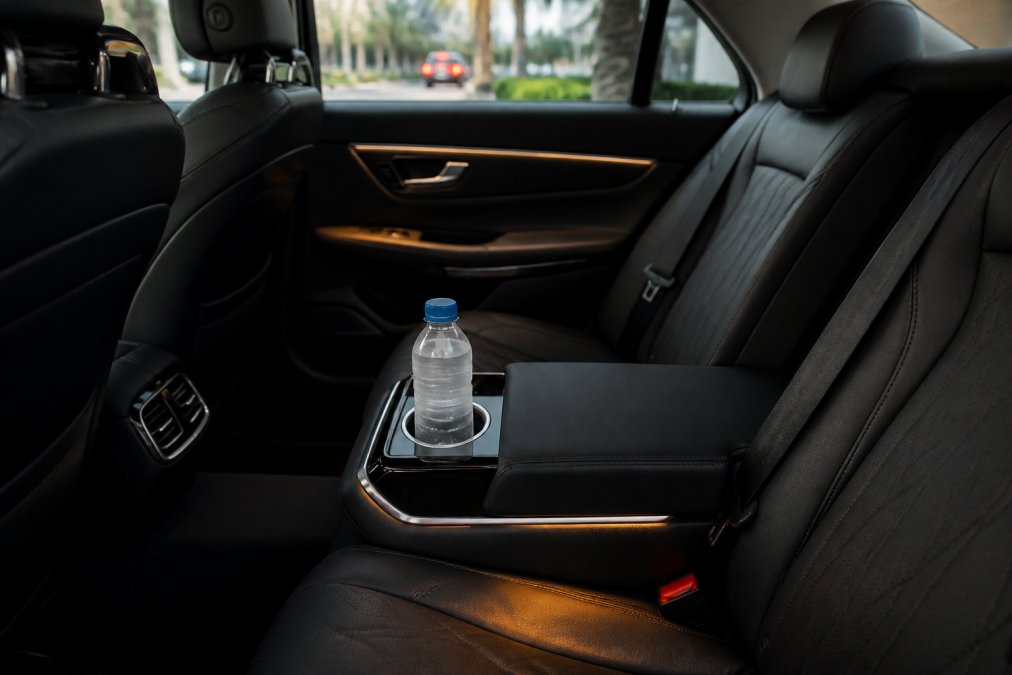
Regardless of vehicle type, maintenance standards are non-negotiable. A VIP transport vehicle should never arrive at a pickup with a mechanical warning light, a tire at minimum pressure, or an HVAC system that isn't functioning. Preventive maintenance scheduling, rather than reactive repair, is the operational standard. Fleet management systems like RTA Fleet360 support predictive maintenance scheduling and work order tracking.
Cabin standards for VIP transport include:
- Climate pre-set to a comfortable temperature before passenger entry
- Still and sparkling water available in the armrest or center console
- Phone charging cables (USB-A, USB-C, and Lightning) stocked and accessible
- No personal items, food wrappers, or previous passenger belongings visible
- Window tinting that provides privacy without compromising visibility
The cabin is the product. It deserves the same preparation as the route and the chauffeur's appearance.
Post-Trip Debriefing and Continuous Service Improvement
Post-trip debriefing is the part of VIP client transport that most operations skip entirely. After each VIP trip, the chauffeur should log any deviations from the planned itinerary, any passenger requests that couldn't be fulfilled, and any route or timing issues that affected the trip. This information feeds directly into service improvement.
For corporate accounts with recurring transport needs, this data becomes a traveler profile: documented preferences, known sensitivities, preferred routes, and communication styles. A chauffeur who picks up the same executive every Monday morning should not need to ask which terminal they prefer.
Feedback loops with clients are equally important. A short post-trip message confirming the booking is closed and inviting a rating takes thirty seconds to send and generates actionable information that verbal check-ins rarely produce.
The operations that consistently deliver excellent VIP client transport are not the ones with the most expensive vehicles. They are the ones that treat every completed trip as data, and use that data to tighten the next one.
The challenge in VIP client transport is maintaining service standards at every touchpoint, not just the visible ones. Regal Limousine is built around that standard, offering luxury airport transfers, corporate travel services, and chauffeured car service across South Florida with a booking platform designed to remove friction from the process entirely. Whether you're coordinating recurring executive travel or arranging transport for a high-value guest, the reliability you need is built into how Regal Limousine operates. Book your ride in seconds and experience the difference that operational precision makes.
=== FAQ ANSWERS (audit these too, same rules) ===
[1] Q: What are the essential components of a VIP transportation plan? A: A complete VIP transportation plan covers traveler profile review, advance route planning with alternate routes identified, real-time flight tracking for airport transfers, pre-trip vehicle inspection, and confirmed chauffeur briefing before each run. It also includes clear communication channels for last-minute itinerary changes, defined confidentiality expectations for the chauffeur, and a post-trip debrief process. Each element works together to ensure punctuality, traveler comfort, and operational precision from booking through drop-off.
[2] Q: How do you ensure privacy and confidentiality during VIP client transport? A: Confidentiality protocols for chauffeurs start with non-disclosure agreements signed before any VIP assignment. Chauffeurs should avoid initiating conversation about the client's business, travel purpose, or companions. Digital hygiene matters too: trip data should be stored on encrypted systems, and chauffeurs should not use personal devices to log client details. Partition-equipped vehicles add a physical layer of privacy. Clients transporting high-net-worth individuals or executives should verify that their provider enforces these standards at the operational level, not just on paper.
[3] Q: How do you handle last-minute itinerary changes for VIP clients? A: Effective VIP travel risk management requires building flexibility into every booking from the start. Chauffeurs should monitor flight tracking systems continuously so arrival-time adjustments happen automatically, without the client needing to call. Dispatchers need direct lines to chauffeurs for real-time updates. Providers that charge punitive fees for reasonable itinerary changes create friction that undermines the seamless travel experience VIP clients expect. Confirm your provider's change policy before the first booking.
[4] Q: What training is required for professional VIP chauffeurs? A: Professional VIP chauffeurs should hold a valid commercial driver's license appropriate to the vehicle class and pass a clean background check. Beyond licensing, best-in-class providers invest in defensive driving certification, executive chauffeur etiquette training covering client communication and VIP protocol, and basic executive protection fundamentals including threat assessment and emergency response. Ongoing training, not just onboarding, separates providers who maintain service standards from those who let them slip over time.
Frequently Asked Questions
Q: What are the essential components of a VIP transportation plan?
A: A complete VIP transportation plan covers traveler profile review, advance route planning with alternate routes identified, real-time flight tracking for airport transfers, pre-trip vehicle inspection, and confirmed chauffeur briefing before each run. It also includes clear communication channels for last-minute itinerary changes, defined confidentiality expectations for the chauffeur, and a post-trip debrief process. Each element works together to ensure punctuality, traveler comfort, and operational precision from booking through drop-off.
Q: How do you ensure privacy and confidentiality during VIP client transport?
A: Confidentiality protocols for chauffeurs start with non-disclosure agreements signed before any VIP assignment. Chauffeurs should avoid initiating conversation about the client's business, travel purpose, or companions. Digital hygiene matters too: trip data should be stored on encrypted systems, and chauffeurs should not use personal devices to log client details. Partition-equipped vehicles add a physical layer of privacy. Clients transporting high-net-worth individuals or executives should verify that their provider enforces these standards at the operational level, not just on paper.
Q: How do you handle last-minute itinerary changes for VIP clients?
A: Effective VIP travel risk management requires building flexibility into every booking from the start. Chauffeurs should monitor flight tracking systems continuously so arrival-time adjustments happen automatically, without the client needing to call. Dispatchers need direct lines to chauffeurs for real-time updates. Providers that charge punitive fees for reasonable itinerary changes create friction that undermines the seamless travel experience VIP clients expect. Confirm your provider's change policy before the first booking.
Q: What training is required for professional VIP chauffeurs?
A: Professional VIP chauffeurs should hold a valid commercial driver's license appropriate to the vehicle class and pass a clean background check. Beyond licensing, best-in-class providers invest in defensive driving certification, executive chauffeur etiquette training covering client communication and VIP protocol, and basic executive protection fundamentals including threat assessment and emergency response. Ongoing training, not just onboarding, separates providers who maintain service standards from those who let them slip over time.
This article was written using GrandRanker