 blog
blog
7 Ways to Avoid Airport Stress in South Florida
Table of Contents
- Why Airport Stress Affects Your Travel Experience
- 1. Arrive Early and Allow Extra Time for the Unexpected
- 2. Prepare for Security Screening Before You Arrive
- 3. Use Expedited Screening Programs to Skip the Lines
- 4. Choose a Private Airport Car Service for Stress-Free Ground Transportation
- 5. Plan Your Airport Pickup and Drop-Off Strategy
- 6. Select Flights Strategically to Minimize Delays and Disruptions
- 7. Arrange Reliable Airport Transportation in South Florida
- Frequently Asked Questions
Last Updated: October 9, 2026
Why Airport Stress Affects Your Travel Experience
Airport stress is real. Between early arrivals, security lines, parking hassles, and flight delays, the journey to your gate can feel as draining as the flight itself, especially for South Florida business travelers and families juggling tight schedules or dependents.
The good news: most airport stress is preventable. It comes from poor planning, unrealistic timing, and unnecessary friction. Approach your airport experience strategically, from how early you leave home to how you book ground transportation, and chaos becomes a smooth, predictable process.
Here are seven practical ways to avoid airport stress in South Florida, whether you're catching a 6 a.m. flight or traveling during peak season. Each addresses a specific pain point; together they eliminate the scrambling and anxiety that makes air travel exhausting.
1. Arrive Early and Allow Extra Time for the Unexpected
The biggest mistake travelers make is underestimating how long everything takes.
You need more time than you think, not just for check-in and security, but for parking, finding the terminal, and handling surprises like a delayed rideshare or a long security line.
Here's what realistic timing looks like:
- Domestic flights: Arrive 2 hours before departure
- International flights: Arrive 3 hours before departure
- Peak travel periods: Add 30 extra minutes to any of the above
- First-time travelers or unfamiliar airports: Add another 15-30 minutes
The math is simple: if your flight leaves at 7 a.m., you should be at the curb by 4:45 a.m. That feels early. It's correct.
Arriving early removes the largest source of airport anxiety: the fear of missing your flight. Sitting at your gate 45 minutes before boarding, you're calm, free to grab coffee or check email without panic.
2. Prepare for Security Screening Before You Arrive
Security screening is predictable; long lines are not. The difference between a five-minute checkpoint and a forty-minute one comes down to two things: how prepared you are when it's your turn, and whether you checked the current wait before leaving home.
Prep your body and your bag before you reach the checkpoint.
- Have your government-issued ID and boarding pass out and visible, not buried in a wallet or a phone wallet you have to unlock twice
- Wear slip-on shoes and minimal jewelry; skip the belt if it has metal
- Place your laptop and your 3-1-1 liquids bag at the top of your carry-on so you're not digging
- Empty your pockets completely into your bag before you join the line
- If you're enrolled in TSA PreCheck, confirm your Known Traveler Number is on the reservation, it does not apply automatically if the number is missing from the booking
A traveler who fumbles for ID, digs out a laptop, then unlaces boots adds two to three minutes to their own screening, and slows the whole peak-hour queue.
Check current wait times before you leave.
TSA publishes checkpoint wait estimates through its MyTSA app and website, and airports post live conditions. Treat these as estimates, not guarantees, waits can swing by twenty minutes or more when a bank of flights departs at once. A practical routine:
- Check the MyTSA app and your specific airport's website or social feed the night before
- Re-check about two hours before you plan to arrive
- Build in a buffer even if the estimate looks short
TSA MyTSA app and current checkpoint wait estimates
Know the South Florida-specific friction points.
- Miami International (MIA) runs multiple checkpoints across several concourses, and which one you can use depends on your airline and gate. Confirm your concourse before you park or get dropped off, walking to the wrong checkpoint and back can cost fifteen minutes.
- Fort Lauderdale-Hollywood International (FLL) concentrates most commercial traffic in a small number of terminals, so a single busy departure bank can back up the whole checkpoint area.
- Palm Beach International (PBI) is smaller and generally faster, but its calm reputation means travelers under-buffer it during holiday and winter-season peaks.
Traveling with children, older adults, or accessibility needs.
TSA offers passenger support specialists for travelers with disabilities, medical conditions, or those needing extra time, request help in advance through TSA Cares, no diagnosis required.
Arrive prepared with current conditions checked, and you move through quickly even on a busy morning, the difference between a routine checkpoint and a scramble that ruins the trip's start.
3. Use Expedited Screening Programs to Skip the Lines
If you travel frequently from South Florida airports, expedited screening programs eliminate the longest waits.
TSA PreCheck is the most accessible option. For $78 every five years, you get:
- Dedicated security lanes with shorter waits
- Ability to keep shoes, belts, and light jackets on
- Laptops and liquids stay in your bag
- No need to remove your ID from your wallet
The savings are substantial: standard lines at major South Florida airports can stretch 30-45 minutes at peak, while TSA PreCheck lines typically move in under 10 minutes.
CLEAR is another option for travelers who want maximum speed. It uses biometric scanning to verify your identity, letting you skip the ID check entirely. You still go through standard screening, but you bypass the line. CLEAR costs more than PreCheck but works alongside it for maximum efficiency.
For frequent business travelers, the investment pays for itself in reduced stress and reclaimed time, through security in minutes instead of wondering if you'll make your flight.
4. Choose a Private Airport Car Service for Stress-Free Ground Transportation
Ground transportation is where most airport stress begins, long before you reach the terminal.
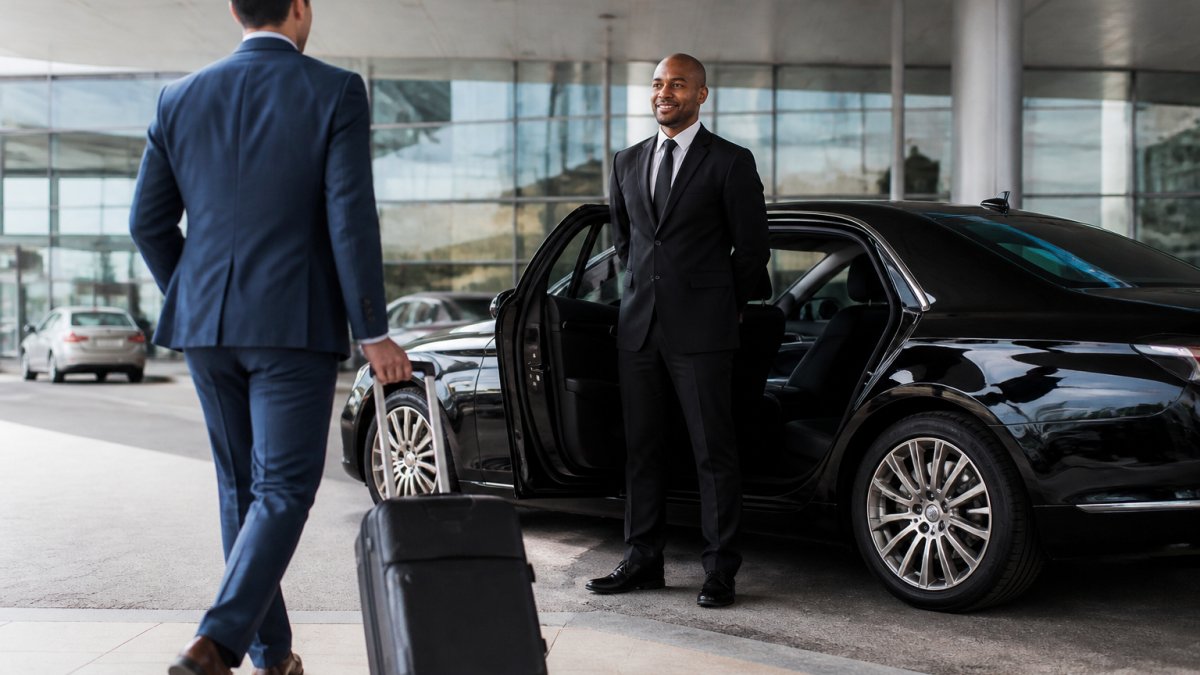
Traffic, parking searches, rideshare drivers stuck across the airport, unfamiliar routes, these create anxiety that carries through your whole trip. You arrive at security already stressed.
(https://regallimousine.net/get-quote) with professional reliability. You book in seconds through our platform, and your driver is confirmed. No surge pricing. No waiting.For business travelers on tight schedules, it's essential, you arrive calm and on time, not frazzled. For families, it eliminates the chaos of juggling luggage, kids, and navigation at once.
The difference in experience is enormous.
5. Plan Your Airport Pickup and Drop-Off Strategy
If you're driving yourself or arranging a pickup, logistics matter more than most travelers realize.
For drop-offs: Know which terminal your airline uses before you leave home. South Florida's major airports have multiple terminals. Arriving at the wrong one costs 10-15 minutes of driving and stress.
For pickups: Arrange ground transportation before you land. Waiting until baggage claim means spiked wait times and standing around with luggage.
Parking strategy: Know where you're parking before you drive in.
Communication: Give your pickup person realistic arrival times, actual, not scheduled. Flights are delayed and baggage takes time, so text 15 minutes before you're ready.
This prevents the chaotic curb wait while your ride circles the airport, or realizing your parking choice doesn't match your timeline.
6. Select Flights Strategically to Minimize Delays and Disruptions
Your flight choice directly affects your stress level, and in South Florida, the seasonal calendar matters as much as the clock.
Time of day. Early departures, roughly 6 a.m. to 9 a.m., have the fewest delays because congestion hasn't accumulated.
The South Florida weather window. Afternoon thunderstorms are near-daily in summer and can shut down ground operations entirely, no fueling, loading, or pushback.
Hurricane season is a planning variable, not a surprise. The Atlantic season runs June 1 through November 30, peaking in early-to-mid September, six months in which one storm can ground a region for days. Practical steps:
- Book the earliest practical departure and, when you have a choice, a nonstop, a connection through another storm-affected city doubles your exposure
- Know your airline's weather-waiver policy before you need it; most major carriers publish travel advisories that let you rebook without a change fee when a storm is forecast
- If you're traveling during an active storm threat, consider whether your trip can shift by a day in either direction, flexibility is cheaper than a rebooking scramble
- Keep a backup plan for ground transportation and lodging in case you're stranded on either end
Cruise-passenger surges. South Florida's cruise terminals drive predictable airport spikes: weekend sailings make Saturday and Sunday mornings among the busiest times, and the same applies when ships return.
Holiday and winter-season peaks. Thanksgiving, the December holidays, and winter tourism push volumes well above baseline.
Connections and airline reliability. Every connection is a risk: a missed flight, a delayed bag, two extra hours in an unplanned terminal.
Airline on-time performance and delay data
Choosing your flight with the season and clock in mind reduces delays, and the anxiety of wondering whether a thunderstorm or missed connection will derail the trip.
7. Arrange Reliable Airport Transportation in South Florida
Your airport transportation sets the tone for the entire trip.
Unreliable ground transportation creates stress that overshadows everything else: worrying whether your ride will show up, timing concerns, and coordinating luggage and drivers through an app.
Reliable transportation means:
- Confirmation before you need it
- A professional driver who knows the route
- No surge pricing or surprise costs
- Flexibility if your flight is delayed
- A clean, comfortable vehicle
Regal Limousine delivers this reliability. Our booking platform is simple, secure your ride in seconds, and our drivers are professional and punctual.
For corporate travelers, our platform handles recurring bookings and corporate billing. For families, we coordinate multiple passengers seamlessly.
When ground transportation is reliable, the whole airport experience improves: no stress about getting there, no worry about missing your flight, and you arrive calm and on time.
| Strategy | When to Use | Impact on Stress |
|---|---|---|
| Arrive 2-3 hours early | All flights | Eliminates rushing and missed-flight anxiety |
| TSA PreCheck | Frequent travelers | Cuts security wait time to under 10 minutes |
| Private car service | Business and VIP travel | Removes ground transportation variables |
| Direct flights | When available | Eliminates connection stress and delays |
| Early morning departures | Summer travel | Avoids afternoon weather disruptions |
| Strategic parking | Self-driving travelers | Removes parking confusion and wait time |
| Reliable ground transportation | All travelers | Sets calm tone for entire trip |
Airport stress in South Florida doesn't have to define your travel experience.
The most impactful change most travelers can make is switching from unreliable ground transportation to a professional car service.
Frequently Asked Questions
How early should I arrive at the airport to avoid stress?
Arrive at least 2 hours before domestic flights and 3 hours before international departures. This buffer accounts for traffic, parking, check-in lines, and security screening. If you're traveling during peak periods like spring break or summer, add an extra 30 minutes. Arriving early eliminates the rush and gives you time to handle unexpected delays without missing your flight.
Is a private airport car service worth it for airport transfers?
Yes, especially for frequent travelers and business professionals. A private airport car service eliminates parking stress, traffic navigation, and ride-sharing uncertainties. Your driver monitors your flight status and adjusts pickup times accordingly, ensuring you arrive at the terminal on time. For corporate teams and high-net-worth travelers, the reliability and professionalism justify the investment compared to rideshare or self-parking options.
What should I pack to make airport security faster?
Pack strategically by keeping liquids in a clear quart-sized bag at the top of your carry-on, wearing slip-on shoes, and removing electronics and metal items before reaching the checkpoint. Avoid packing prohibited items like sharp objects or aerosols. Enroll in TSA PreCheck or CLEAR to expedite screening. Travel light with one carry-on bag when possible to move through security and boarding faster, reducing overall airport stress.
What can I do if my flight is delayed and I need to change my airport pickup time?
Contact your airport transportation service immediately with your new flight information. Reliable services monitor flight status updates and adjust pickup times automatically, but confirming directly ensures no miscommunication. If using a private car service, they typically offer flexibility for delays without additional charges. For rideshare, you can request a new pickup time closer to your actual arrival. Always have your airline's app open to track real-time flight changes.